

The numbers are sobering. According to the National Center for Education Statistics, about one in five students ages 12 to 18 reports being bullied at school. The effects don’t end when the school day does. The CDC notes that bullied children face higher risks of anxiety, depression, sleep problems, and declining academic performance.
For children in foster care, those risks can be even greater. Many have already experienced trauma, separation from family, and frequent changes in homes and schools. Being the “new kid” again and again can make a child an easy target, and a bullying incident can reinforce the belief that they don’t belong. For a child still learning to trust adults, that hurt runs deep.
That’s why behavioral health matters. Our teams help children and families build coping skills, process trauma, and strengthen the relationships that buffer against harm. A child who feels seen, heard, and supported at home is better equipped to handle challenges outside of it.
You can make a difference, too:
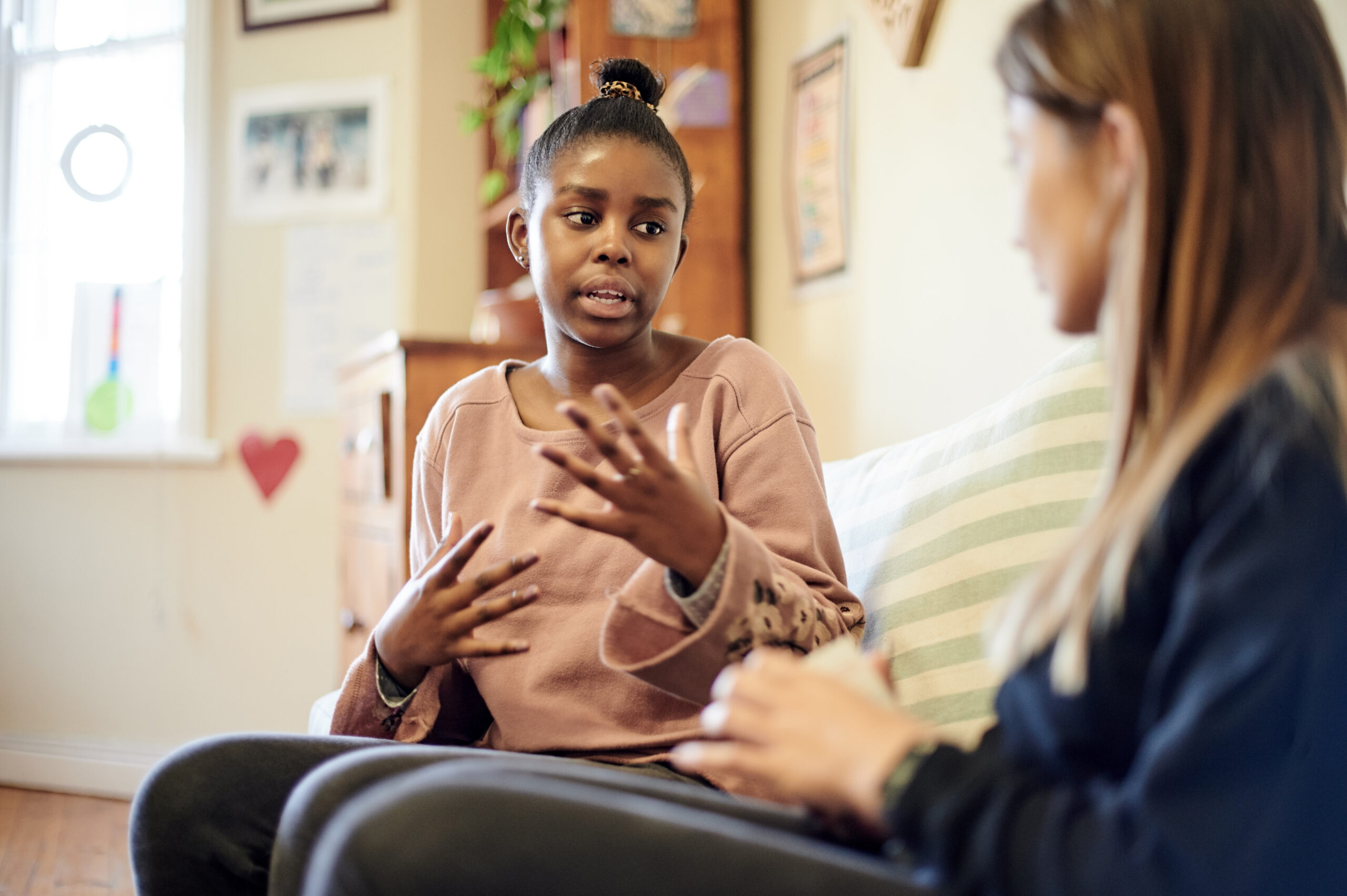
- Listen without judgment. Let kids know they can talk to you about what’s happening.
- Watch for warning signs, such as changes in mood, appetite, or sleep, or reluctance to go to school.
- Model kindness. Children notice how adults treat others.
- Speak up. Report bullying to schools, coaches, and youth leaders.
This October, National Bullying Prevention Month, join Saint Francis Ministries in making sure every child knows they matter. Kindness is a choice, and it starts with each of us.